
Table of Contents
- Full Grain vs Top Grain Leather: The Core Difference
- Durability and Strength: Full Grain vs Top Grain
- How Long Does Full-Grain Leather Last
- Top-Grain Leather Care and Maintenance
- Full-Grain Leather Patina and Aging
- Surface Treatments and Real-World Performance
- Which Should You Choose for Your Needs
- Conclusion
- Frequently Asked Questions
Last Updated: October 18, 2026
Full Grain vs Top Grain Leather: The Core Difference
When you're shopping for leather goods that need to last, understanding full grain vs top grain leather matters more than most people realize. The choice you make determines not just how long your wallet or holster will last, but how it'll look and feel after years of use.
Full-grain and top-grain leather sound similar, but they're fundamentally different products. The distinction comes down to what happens to the hide after the animal is processed. Understanding this difference is the key to choosing gear that actually stands up to the wear and tear of everyday carry.
What Full-Grain Leather Is
Full-grain leather is the top layer of the hide with the grain pattern left completely intact. Nothing is sanded away, buffed down, or artificially smoothed. You get the hide as nature made it, complete with natural markings, scars, and imperfections from the animal's life.
This is the strongest part of the hide. The grain layer contains the densest fibers, which is why full-grain leather develops that distinctive patina over time. Every scratch, crease, and mark tells a story of actual use.
Full-grain leather breathes naturally and resists moisture better than lower grades. When you condition it properly, it becomes more supple while maintaining its structural integrity. The material gets better with time, not worse.
What Top-Grain Leather Is
Top-grain leather is also from the top of the hide, but the surface has been sanded and buffed to remove imperfections. This creates a more uniform appearance, but it removes some of the strongest fibers. What's left is a thinner, more processed layer.
Because the grain surface is compromised, top-grain leather needs a protective finish applied. This is usually a pigmented coating that gives it a consistent color and feel.
Top-grain leather is more resistant to stains and scratches in the short term because of that protective finish. It looks pristine out of the box. But that finish can crack, peel, or wear through over years of heavy use, exposing the weaker layers underneath.
Durability and Strength: Full Grain vs Top Grain
The durability difference between full-grain and top-grain leather comes down to fiber density and how each grade responds to stress over time. This is where the real-world performance diverges.
Grain Layer and Hide Strength
The grain layer is where the strongest fibers live. Full-grain leather keeps this entire layer intact, which means maximum tensile strength and abrasion resistance. When you bend, flex, or stress full-grain leather repeatedly, the fibers hold together because they're all still there.
Top-grain leather has had that protective layer partially removed. The sanding process takes away the outermost fibers to create a smooth surface. This makes the remaining material more vulnerable to wear. Under repeated stress, the fibers separate more easily, and the leather degrades faster.
Think of it like this: full-grain leather is the entire rope. Top-grain leather is the rope with the outer strands removed. Both can hold weight, but one is fundamentally stronger.
Scratch Resistance and Wear Patterns
Full-grain leather shows every scratch and scuff immediately. This sounds like a drawback until you realize what's actually happening. Those marks don't compromise the material's integrity. The fibers are still locked together. The scratches fade or blend into the patina as the leather ages.
Top-grain leather resists visible scratches better initially because of the protective finish. But once that finish breaks down, scratches penetrate deeper into the weaker underlying material. You'll see wear patterns that don't fade or improve with age.
Wear resistance isn't just about avoiding scratches. It's about how the material responds to constant flexing, bending, and pressure. Full-grain leather flexes and recovers. Top-grain leather, especially in high-stress areas like wallet corners or holster edges, develops creases that don't bounce back.
How Long Does Full-Grain Leather Last
Full-grain leather lasts longer than top-grain when maintained properly. The exact lifespan depends on use intensity and care, but full-grain leather goods can last for many years with regular conditioning.
The key word here is "maintained." Full-grain leather needs periodic conditioning with appropriate oils or balms. This keeps the fibers supple and prevents the material from drying out and cracking.
What makes full-grain leather last so long is its ability to repair itself through use. Scratches and creases don't represent permanent damage. As you use the piece and condition it, these marks blend into the overall patina.
Top-grain leather typically lasts for several years with regular use before visible deterioration becomes obvious. The protective finish eventually fails, and once it does, the underlying material degrades quickly.
Top-Grain Leather Care and Maintenance
Top-grain leather requires more frequent and careful maintenance than full-grain. The protective finish is doing most of the work, so keeping that finish intact is critical.
Clean top-grain leather regularly with a soft cloth and mild soap solution. Avoid harsh cleaners that can strip the finish. When the leather starts to look dry, apply a leather conditioner designed for top-grain material.
Watch for cracks in the finish, especially around flex points like wallet corners or holster edges. Once the finish cracks, moisture and dirt penetrate the weaker underlying material.
Top-grain leather should be stored in cool, dry conditions. Heat and humidity accelerate finish breakdown. Keep it away from direct sunlight, which can fade the color and cause the finish to become brittle.
Full-Grain Leather Patina and Aging
The patina that develops on full-grain leather is one of its defining characteristics. This isn't damage or wear.
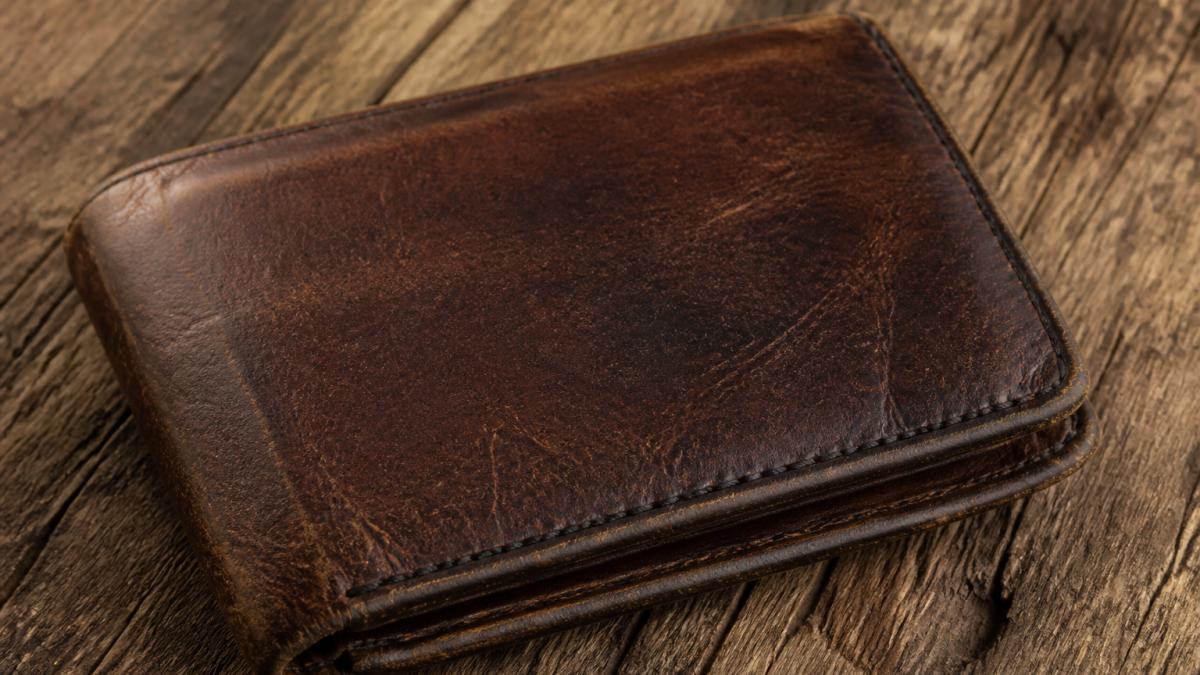
Full-grain leather starts with a lighter, more uniform color. As you use it, exposure to light, air, and the oils from your hands darkens the leather.
This aging process is consistent and predictable. A full-grain leather wallet used daily will develop noticeable patina within months.
Roper Inspired Trifold Wallet, Trifold Wallet, Alta Edition Trifold Wallet →
The patina isn't just cosmetic. It indicates that the leather fibers have bonded more tightly through repeated flexing and conditioning. The material becomes more supple and durable as it ages.
Top-grain leather doesn't develop patina the same way. The protective finish prevents the natural darkening and color development that happens with full-grain.
Surface Treatments and Real-World Performance
The finish applied to leather dramatically affects how it performs and how it looks over time. Understanding the different finishes helps you predict what to expect from your purchase.
Aniline vs Semi-Aniline vs Pigmented Finishes
Aniline finishes are the most natural. The dye penetrates the leather without creating a surface coating. Aniline leather breathes naturally and develops the richest patina.
Full-grain leather often uses aniline finishes because the natural grain pattern is a selling point. The transparency of the aniline dye lets the grain structure show through clearly.
Semi-aniline finishes add a light protective coat over aniline dye. This gives you some water and stain resistance while still allowing patina development. Semi-aniline leather is a compromise between durability and character. Many quality leather goods use this finish.
Pigmented finishes apply an opaque coating that completely covers the grain. These finishes offer maximum protection but completely block patina development. The leather stays the same color indefinitely.
Corrected Grain and Sanding Effects
Corrected grain leather has been sanded to remove natural markings, then a new grain pattern is artificially embossed into the surface. This creates a uniform look, but it's a cosmetic fix that doesn't improve performance.
The sanding process removes the strongest fibers. The embossed pattern is just a surface treatment. You get a leather that looks uniform but performs like lower-grade material.
Leather that's been heavily sanded loses its natural strength and breathability. It becomes more dependent on its protective finish. When that finish fails, you're left with compromised material underneath.
This is why full-grain leather, with its natural grain left intact, offers superior durability compared to corrected grain leather. The sanding process is purely cosmetic and comes at the cost of structural integrity.
Which Should You Choose for Your Needs
The choice between full-grain and top-grain leather depends on your use case and priorities. Both have legitimate applications, but they're suited to different situations.
Full-Grain Leather for High-Wear Applications
Full-grain leather is the right choice if you need gear that will last years of daily use. Holsters, knife sheaths, work belts, and everyday carry items take a beating.
Choose full-grain if you value character and individuality. Your full-grain wallet won't look like anyone else's after a year of use. The patina tells the story of where you've taken it.
Full-grain is also the choice if you're willing to maintain your leather. Conditioning it a few times a year keeps it supple and extends its lifespan.
Our Leather Hatchet Sheath is handcrafted from full-grain, vegetable-tanned leather specifically because this application demands durability and water resistance. The sheath needs to protect your tool while withstanding outdoor conditions. Full-grain handles that job reliably.

Top-Grain Leather for Everyday Carry and Wallets
Top-grain leather makes sense if you want a polished look that requires minimal maintenance. It resists stains and scratches better in the short term, which appeals to people who want their gear to stay pristine.
Choose top-grain if you prefer a uniform, finished appearance. The consistent color and texture appeal to people who value aesthetics over character development.
Top-grain is appropriate for formal applications where a refined, unblemished look matters. If you need a wallet for business settings where scuffs and creases might look unprofessional, top-grain's protective finish is an advantage.
However, if you're buying a wallet for everyday carry and you expect to use it for years, full-grain is the better investment. Our Roper Wallets, including the Cattleman Roper Wallet at $60.00, are crafted from genuine vegetable-tanned leather that improves with age.


| Characteristic | Full-Grain Leather | Top-Grain Leather |
|---|---|---|
| Durability | Built to last | Several years typical |
| Grain Layer | Intact, all original fibers | Sanded, fibers removed |
| Patina Development | Rich, distinctive aging | Minimal, finish-dependent |
| Water Resistance | High, improves with conditioning | Moderate, depends on finish |
| Scratch Visibility | Shows immediately, blends over time | Hidden initially, visible after finish fails |
| Maintenance | Regular conditioning needed | Minimal until finish deteriorates |
| Cost | Higher upfront | Lower upfront |
| Appearance | Develops character | Stays consistent |
Conclusion
Full-grain leather outlasts top-grain leather because it retains the strongest fibers and develops character through use rather than showing wear. If you're investing in leather goods that need to last years of daily use, full-grain is the proven choice. At AnchorsAweighLeather, our handcrafted wallets and sheaths are built from vegetable-tanned leather because we know our customers expect gear that stands the test of time. Every piece is hand-sewn using the saddle-stitch technique, and with free shipping on orders over $100, you're investing in American-made quality that won't let you down. Start with one of our Roper Wallets and experience how real leather improves with every day you carry it.
Frequently Asked Questions
How long will full-grain leather last?
Full-grain leather can last for many years with proper care, depending on use intensity and maintenance. Handcrafted items using vegetable-tanned leather, like those made with saddle-stitch construction, are built to last. Regular conditioning and protection from extreme moisture extends lifespan significantly. High-quality holsters and sheaths crafted from veg-tan leather can remain functional for decades of daily carry.
Does top-grain leather last as long as full-grain leather?
Top-grain leather generally lasts for several years under regular use, shorter than full-grain. The removal of the outer grain layer during processing reduces abrasion resistance and the hide's ability to develop protective patina. However, top-grain leather resists staining and water damage better initially. For everyday carry wallets and items with moderate wear, top-grain holds up well; for high-stress applications like holsters or sheaths, full-grain offers superior durability.
Is full-grain leather worth the higher cost?
Full-grain leather justifies its cost through longevity and repairability. A vegetable-tanned wallet that is built to last offers excellent value. Full-grain develops character through use, becoming more visually distinctive over time. For professionals and outdoor enthusiasts who rely on gear daily, full-grain's superior strength and water resistance reduce replacement frequency and repair costs, making it a practical long-term investment.
How do you care for full-grain and top-grain leather differently?
Full-grain leather requires periodic conditioning with appropriate oils or balms to maintain flexibility and water resistance; it benefits from this maintenance and develops richer patina. Top-grain leather should be cleaned with a soft cloth and kept away from direct heat. Full-grain improves with age; top-grain is best preserved in its original state.
0 comments