
Last Updated: October 23, 2026
Quick Summary
Concealed carry clothing for men requires the right fit, fabric weight, and length to hide a holster while staying comfortable all day. The key is finding shirts that cover your holster when you move, pants with proper waistband room and rise, and a quality belt designed to support the weight of your firearm without sagging.
- Shirts need enough length to cover your holster when raising your arms, with heavier fabrics that hold shape better than lightweight cotton.
- Pants require at least one inch extra room in the waistband beyond your normal size to prevent printing and allow proper draw access.
- A structured, thick leather belt specifically designed for carry distributes weight better than standard dress belts and keeps your holster in position.
- Test your outfit through mirror checks, sit tests, draw practice, and 30-minute wear periods before relying on it for actual carry.
- Carry position determines clothing needs, with appendix carry requiring longer front coverage and strong-side hip carry needing structured belts and hip room.
Table of Contents
- Why Comfortable Concealed Carry Clothing Matters
- Concealed Carry Shirts for Men: Fit, Fabric, and Concealment
- Concealed Carry Pants for Men: Room, Retention, and Draw Access
- Best Belt for Concealed Carry: Support Without Compromise
- Concealed Carry Clothing for Hot Weather: Breathability and Layering
- Practical Fit Tests and Movement Checks
- Choosing by Carry Position and Holster Type
- Conclusion
- Frequently Asked Questions
Why Comfortable Concealed Carry Clothing Matters
Finding the right concealed carry clothing changes everything about how you carry. When your clothes don't fit right, you're constantly adjusting. Your holster prints through your shirt. Your pants feel too tight. By the end of the day, you're exhausted from managing discomfort instead of focusing on what matters.
The real problem isn't finding clothes that hide a firearm. It's finding clothes that hide it while staying comfortable enough to wear all day. Most people either sacrifice concealment for comfort or vice versa. That's a false choice.
At AnchorsAweighLeather, we work with everyday carry enthusiasts who've tried both extremes. They tell us the same thing: comfort wins. If your carry clothes feel restrictive, you'll stop carrying. If they print, you're exposed. The solution is understanding what actually works, the specific fabrics, fits, and garment designs that deliver both.
This guide breaks down exactly how to choose concealed carry clothing for men that keeps you comfortable, concealed, and confident. We'll cover shirts, pants, belts, and how to test whether your outfit actually works before you're out in public relying on it.
Concealed Carry Shirts for Men: Fit, Fabric, and Concealment
The right concealed carry shirt does three things: it hides the holster, it moves with your body, and it doesn't feel like a costume.
Most guys start by buying an extra-large shirt. That works for concealment, a loose shirt hides everything. But loose fabric catches on your holster when you draw. It rides up when you bend.
The actual sweet spot is a shirt that fits your shoulders and chest normally, then has enough length and slight drape to cover a holster without being baggy.
Fabric makes a bigger difference than fit alone. Heavier materials, like thicker cotton blends or performance fabrics, hold their shape better and don't cling to the holster underneath.
Consider layering as your concealment tool. A lightweight undershirt plus an open button-up or light jacket gives you options. In warm weather, this approach keeps you cool while maintaining concealment.
Untucked shirts work best for most carry positions. If you carry appendix or strong-side hip, an untucked shirt that extends to mid-hip provides natural coverage.
CDC guidance on safe firearm storage and handling emphasizes that proper equipment setup, including appropriate clothing, is part of responsible carry practices.
Concealed Carry Pants for Men: Room, Retention, and Draw Access
Your pants do the heavy lifting in concealed carry. They hold your holster stable. They need to fit your body without restricting your draw. And they have to look normal.
The biggest mistake is buying pants that are too tight. Tight pants print immediately. They also restrict your movement, make drawing slower, and become uncomfortable after a few hours.
The waistband itself matters. A structured waistband that sits firmly at your natural waist works better than low-rise pants.
Look for pants with a slightly higher rise. This keeps the holster in a consistent position. It also provides more coverage if your shirt rides up during movement.
Fabric weight affects retention. Heavier denim or canvas holds a holster more securely than lightweight chinos. The holster stays put instead of shifting around.
Consider pants with reinforced belt loops. Your belt carries the weight of your firearm and holster. Weak belt loops tear under that stress. Reinforced loops keep everything stable and last longer.
Stretch fabrics, pants with 2-5% spandex, provide the best balance. They give you mobility without looking tactical. You can bend, sit, and move naturally.
Best Belt for Concealed Carry: Support Without Compromise
Your belt is more important than most people realize. It's not just holding up your pants. It's supporting the weight of your firearm and holster all day.
A standard dress belt or casual belt will fail. The weight of a loaded holster will sag after a few hours. Your pants will shift. Your holster will move.
A proper concealed carry belt uses thicker, stiffer leather or reinforced materials. It distributes weight across a wider area instead of concentrating it on thin fabric.
Leather works best. A quality leather belt like learn how to choose a gun belt for leather holsters provides the support you need without announcing that you're carrying.
Width matters too. A 1.5-inch belt distributes weight better than a 1-inch belt. Thicker leather handles the load better than thin material.
The buckle should be simple and secure. Avoid large tactical buckles that draw attention. A standard buckle that matches your belt color and material keeps things inconspicuous.
Your belt is part of the system. A quality holster needs a quality belt. If your belt sags or shifts, your holster shifts with it. Everything depends on that foundation.
Concealed Carry Clothing for Hot Weather: Breathability and Layering
Summer carry is a different challenge. You need concealment without overheating. Most people try to solve this by wearing looser, lighter clothes. That usually means printing.
The real solution is breathable, lightweight fabrics that still have enough structure to hide a holster. Performance fabrics, synthetic blends designed for moisture management, work better than cotton in heat.
The HOSS IWB Leather Holster, CCW Holster, Leather Holster, Universal Holster →
Look for shirts with mesh panels or ventilation. These allow airflow while maintaining the fabric weight needed for concealment. A lightweight performance shirt with strategic venting keeps you cool without sacrificing coverage.
Layering is your secret weapon in summer. A thin undershirt plus a lightweight, unbuttoned overshirt creates air space and concealment. The undershirt wicks moisture. The overshirt provides coverage.
Shorts present a challenge. Most shorts sit too low for hip carry. If you carry appendix or cross-draw, shorts can work with the right shirt.
Lightweight pants work for hot weather if they're the right fit. Linen blends or performance fabrics breathe better than heavy cotton.
Sweat is the enemy of concealment. Wet fabric clings and prints. Moisture-wicking fabrics keep you dry, which keeps your concealment intact. This is worth the extra cost in summer months.
Practical Fit Tests and Movement Checks
Theory doesn't matter if your outfit fails in real life. Test your concealed carry clothing before you rely on it.
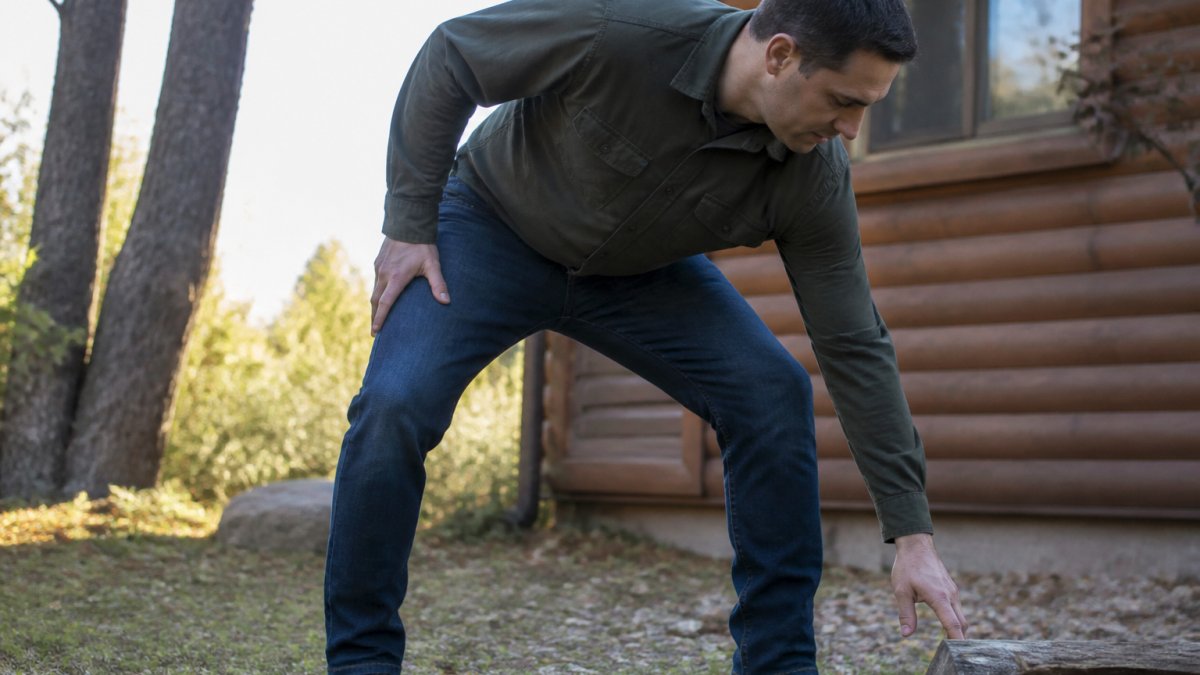
The mirror test is just the beginning. Stand in front of a mirror wearing your full carry setup. Raise your arms above your head. Bend forward.
The sit test matters more than most people think. Sit in a chair the way you sit in a car. Bend forward like you're picking something up.
The draw test is essential. Practice your draw in your full outfit. Your shirt shouldn't catch on your holster. Your pants shouldn't restrict your movement.
Walk around for at least 30 minutes in your full setup. Sit down. Stand up. Reach for things. Notice where you feel pressure. Notice where fabric shifts.
Ask someone you trust to look at you from different angles. Tell them you're carrying and ask if they can tell where.
The ground test is simple but effective. Drop something and pick it up. Your outfit should accommodate this movement without exposing your firearm.
Choosing by Carry Position and Holster Type
Your carry position determines what clothing works. Appendix carry needs different clothing than strong-side hip carry.
Appendix carry sits at the front of your waistband.
Strong-side hip carry sits at your hip. It needs a shirt that covers your entire hip area when you raise your arms.
Cross-draw carry sits across your body. It needs a shirt long enough to cover your side when you reach across your body.
Inside-the-waistband (IWB) holsters like the TEXAS REBEL IWB Conceal Carry Holster work with most clothing setups because they sit partially inside your waistband.
Outside-the-waistband (OWB) holsters require more concealment. You need a longer shirt and slightly looser pants to hide the holster's profile.
Shoulder holsters need a different approach. You need a shirt or jacket that covers the holster and mag pouch. Layering becomes essential.
Ankle holsters require less clothing consideration because the holster sits under your pant leg. However, pant fit still matters.
The holster you choose influences your clothing choices. Learn about custom leather holsters for concealed carry to understand how holster design affects what you wear.
Different carry positions require different clothing considerations to maintain concealment and comfort.
| Carry Position | Shirt Length Need | Pants Fit | Key Consideration |
|---|---|---|---|
| Appendix | Cover front waistband when sitting | Looser | Holster sits forward |
| Strong-side hip | Cover hip when raising arms | Room at hip | Structured belt essential |
| Cross-draw | Cover side when reaching across | Slightly looser | Holster sits further out |
| Shoulder | Cover holster and mag pouch | Layering needed | Requires jacket or layered shirt |
| Ankle | Less critical | Avoid slim-fitting | Slim pants can print holster |
| IWB holsters | Less demanding | Standard fit | Sits partially inside waistband |
| OWB holsters | Longer shirt needed | Looser pants | Prints more easily |
Conclusion
Comfortable concealed carry clothing for men isn't about finding the perfect outfit. It's about understanding how fit, fabric, and positioning work together. The right shirt, pants, and belt become invisible. You forget you're carrying because everything feels normal.
The challenge most people face is that standard clothing wasn't designed for carry. You can't just grab whatever's in your closet. But you also don't need tactical gear that announces what you're doing. The solution is selecting everyday clothes with the right specifications, proper length, appropriate fabric weight, correct fit at the waistband and hips.
Test everything before you commit. Wear your outfit for a full day. Do the draw test. Check for printing from different angles. Adjust based on what you learn. Your carry setup should work with your body and your lifestyle, not against it.
At AnchorsAweighLeather, we understand that your clothing works with your holster. A quality IWB holster like the HOSS IWB Leather Holster reduces the concealment burden on your clothes because it sits partially inside your waistband. Combined with properly fitted clothing, you get reliable concealment and genuine comfort.
Frequently Asked Questions
What clothing is most comfortable for concealed carry?
Comfort depends on fit, fabric, and carry position. Choose breathable fabrics like cotton blends or moisture-wicking materials that won't cling to a holster. Shirts should be long enough to cover your holster when you move, and pants need enough room at the waistband without excess bulk. Layering with an outer garment reduces printing and adds flexibility for different seasons. All-day carry demands clothing that moves with you without restriction.
How do you prevent printing when carrying concealed?
Printing occurs when the holster outline shows through fabric. Prevent it by wearing fitted shirts that are long enough to cover the holster, choosing darker colors and textured fabrics, and layering with an untucked outer garment. Proper holster placement, typically appendix or 3-4 o'clock position, also matters. Avoid tight clothing that molds to the holster shape. A quality holster like the HOSS IWB ($60.50) or Custom Leather IWB ($43.00) from AnchorsAweighLeather reduces bulk and printing through secure, compact design.
What's the difference between purpose-built concealed carry clothing and regular clothes?
Purpose-built concealed carry clothing often includes reinforced waistbands to support weight and reduce printing. Regular clothes weren't designed for the stress of carrying a firearm and may sag, shift, or print visibly. Purpose-built options can offer better retention and comfort during all-day wear, but quality regular clothing with proper fit and layering can work if you're intentional about garment choice. The trade-off is fit and durability versus cost and style flexibility.
How should a shirt fit for concealed carry?
A concealed carry shirt should be long enough to fully cover your holster when you bend, reach, or lift your arms, typically 2-3 inches below your waistband. Choose a fit that's snug enough to avoid printing but loose enough to move freely without restriction. Vertical seams and subtle patterns break up the holster outline. Avoid clingy fabrics that mold to the gun shape. Test movement in the fitting room by reaching overhead, bending, and simulating your draw to confirm the shirt stays in place and doesn't expose your firearm.

0 comments