
Table of Contents
- What Is Tactical Everyday Carry
- Everyday Carry Essentials: Building Your Core Loadout
- What to Put in an Everyday Carry Bag
- EDC Pocket Organizer and Gear Organization
- Personalization by Activity, Climate, and Carry Method
- Leather Knife Sheath Care and Maintenance
- Auditing and Refreshing Your Daily Loadout
- Frequently Asked Questions
Last Updated: October 7, 2026
What Is Tactical Everyday Carry
At AnchorsAweighLeather, we work with customers who understand that quality gear matters. The difference between fumbling around and handling a task smoothly often comes down to preparation.
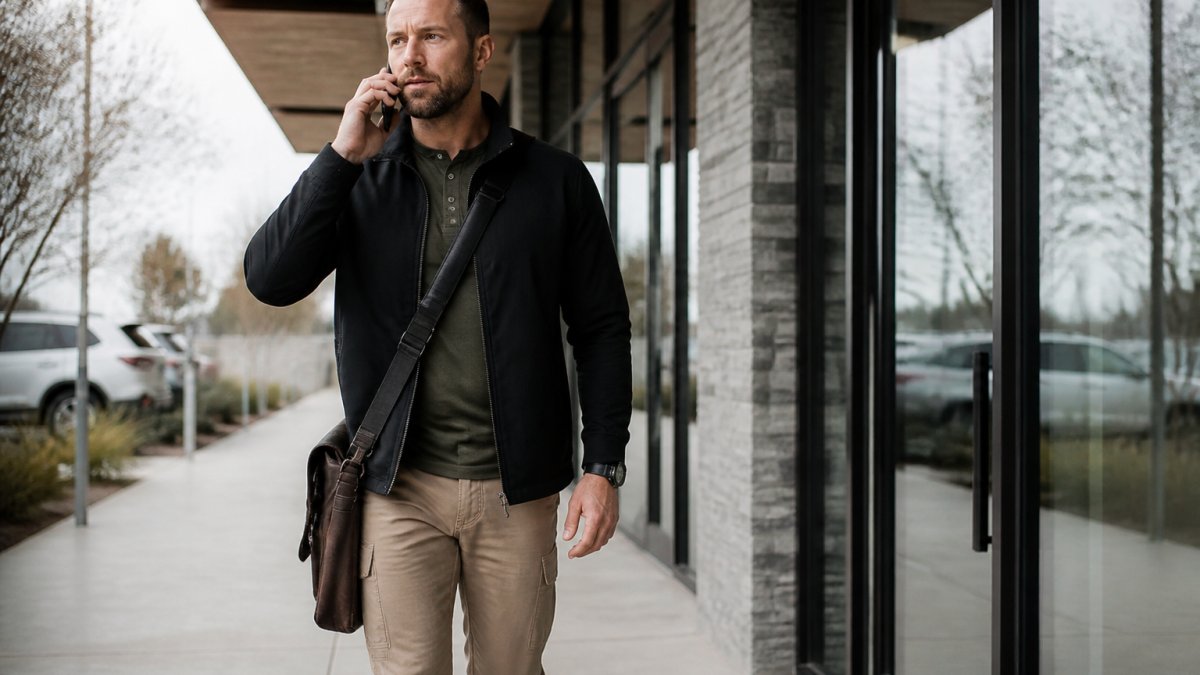
Think of it this way: you probably already carry some things daily. Keys, wallet, phone. Tactical everyday carry is the intentional evolution of that habit.
The "tactical" part doesn't mean military-grade or combat-ready. It means functional, reliable, and thought through.
Everyday Carry Essentials: Building Your Core Loadout
Your core everyday carry essentials form the foundation of your gear setup. These are the items that earn their spot through regular use, not wishful thinking.
Start with what you actually need:
- Wallet or card holder, carries ID, cash, and cards
- Keys, essential for home and vehicle access
- Phone, communication and information access
The key is honesty. Don't add items because they sound cool. Add them because you use them or reasonably expect to need them in your daily routine.
Pocket Gear and Small Tools
Pocket gear fills the gap between your wallet and your bag. These are the small items that prevent frustration and create real value throughout your day.
Small tools earn their place through utility:
- Pocket knife, the most versatile tool you can carry
- Small flashlight or keychain light, works when the sun sets
- Pen, always better to have one than need one
- Key holder or key fob, keeps keys organized and accessible
The goal is separation. Don't let your pocket knife rattle against your keys. Don't let loose change scatter into your wallet. Dedicated compartments and organizer pouches solve this problem.
Cutting Tools and Pocket Knives
A pocket knife is the centerpiece of most everyday carry setups. It handles tasks that would be impossible without it and makes countless other tasks easier.

What makes a knife valuable for daily carry:
- Reliable blade that holds an edge
- Comfortable grip for extended use
- Durable construction that survives pocket carry
- Easy access when you need it fast
The knife matters less than the sheath. A quality sheath protects your blade, keeps it secure, and prevents damage to other gear and clothing. This is where handcrafted leather sheaths make a real difference.
Lighting and Writing Tools
A flashlight and pen are often overlooked, but they solve real problems consistently.
Your lighting tool should be:
- Compact enough for pocket carry
- Bright enough to be useful in darkness
- Reliable when you actually need it
Your writing tool should be:
- Durable enough to survive pocket carry
- Reliable in various conditions and temperatures
- Easy to access without removing other gear
Many people carry both because they serve completely different purposes. A pen handles note-taking and marking. A flashlight handles visibility. You can't replace one with the other.
What to Put in an Everyday Carry Bag
A bag is not a bigger pocket. It is a separate layer of your carry system, and it should hold only what genuinely does not belong on your body. Treat it as a support layer, not a dumping ground.
Decide What Belongs in the Bag
Run each candidate item through three questions:
- Do I need it within arm's reach, or within a minute? If it is instant-access, it belongs on your body, not in the bag.
- Does it have a job I can name? "Might be useful" is not a job. "Replaces a phone when the battery dies" is.
- Can it survive being ignored for a week? Bag items are used less often, so they need to tolerate sitting unused without leaking, corroding, or expiring.
Items that pass all three earn a slot. Items that fail get removed or moved to a vehicle kit or home drawer.
Match the Bag to the Carry Method
The bag type changes what you can realistically carry:
- Backpack, best for weight and volume; worst for quick access. Good for commuters, students, and anyone carrying a laptop or layers.
- Messenger or sling bag, swings to the front for access without removing it; concentrates weight on one shoulder, so keep total load light.
- Small organizer pouch or admin pouch, not a full bag; it is a pocketable module that moves between bags. Best when you want one consistent kit regardless of which bag you grab.
- Tote or briefcase, minimal structure, so it needs internal pouches or the contents will migrate.
A common pattern is one body-carried core plus one bag that changes with the day. The core stays identical; the bag absorbs the variable items.
A Workable Bag Loadout
- Backup items, spare pen, spare batteries in the size your light actually uses, and a backup cutting tool only if your primary knife is small
- Documents, a copy of identification, insurance card, and a written emergency contact card; paper works when a phone does not
- First aid basics, adhesive bandages in a few sizes, antiseptic wipes, and a small amount of gauze tape; keep it in one labeled pouch so you are not searching
- Tools and supplies, a multi-tool, a small roll of tape, and any maintenance item your specific gear needs
Keep the Bag From Becoming a Landfill
The failure mode is accumulation. Receipts, cables, and "just in case" items pile up until the bag is heavy and nothing is findable. Two habits prevent it:
- One-in, one-out. Every time you add a bag item, remove one.
- A weekly two-minute reset. Dump the bag, discard trash, return misplaced items to their pouches, and confirm nothing is missing.
EDC Pocket Organizer and Gear Organization
An EDC pocket organizer or organizer pouch transforms loose items into a system. This is where tactical everyday carry becomes practical.
Leather Key Holder, Leather Key Chain, Leather Key Ring, Key Chain, EDC →
Organization serves three purposes:
- Access, find what you need without searching
- Protection, keep items from damaging each other
- Comfort, distribute weight evenly and prevent bulging pockets
Organizing by Access and Frequency
Items you use daily should be easiest to reach. Items you rarely need can go deeper.
Create a hierarchy:
- Tier 1 (constant access), knife, keys, wallet
- Tier 2 (frequent access), flashlight, pen, phone
- Tier 3 (occasional access), backup items, tools, supplies
- Tier 4 (emergency access), first aid, emergency items
Place tier 1 items in your most accessible pockets. Use an organizer pouch for tier 2 and 3 items. Reserve a bag for tier 4 items.
| Organization Level | Items | Storage Method | Access Time |
|---|---|---|---|
| Tier 1 | Knife, keys, wallet | Front pockets | Instant |
| Tier 2 | Flashlight, pen, phone | Organizer pouch | 5-10 seconds |
| Tier 3 | Backup tools, supplies | Dedicated compartments | 15-30 seconds |
| Tier 4 | First aid, emergency | Bag or backup pouch | 30+ seconds |
Weight Distribution and Comfort
Unbalanced pockets create problems. Too much weight on one side pulls your clothing and creates discomfort.
Distribute weight evenly:
- Left pocket, lighter items like pen or small flashlight
- Right pocket, heavier items like knife or keys
- Back pockets, wallet or organizer pouch
- Bag, anything that doesn't fit comfortably in pockets
Test your setup over a full day. Adjust based on comfort and what you actually use. Your setup should feel natural after a few hours, not like you're carrying a load.
Personalization by Activity, Climate, and Carry Method
Your ideal everyday carry setup depends on your specific situation. A construction worker carries different gear than an office professional. Someone in Arizona carries different items than someone in Minnesota.
Adjust your loadout based on:
- Your work environment, office, outdoor, hands-on labor, travel
- Climate and season, cold requires different gear than heat
- Your commute, driving versus walking versus public transit
- Your daily activities, what problems do you actually encounter
The common mistake is building a theoretical EDC setup instead of a practical one. Start with what you actually carry today. Add items that solve real problems you encounter. Remove items you never use.
Leather Knife Sheath Care and Maintenance
A quality leather knife sheath protects your investment and improves with age. Proper maintenance keeps it functional and looking good.
Basic leather knife sheath care:
- Keep it dry, moisture causes mold and deterioration
- Condition regularly, leather dries out without oil
- Check the retention, make sure your knife stays secure
- Clean debris, remove dirt and pocket lint periodically
Most leather sheaths benefit from occasional conditioning with leather oil or wax. This keeps the material supple and extends the life of the sheath significantly. A sheath that's properly maintained will outlast several knives.
Auditing and Refreshing Your Daily Loadout
Every few months, audit your everyday carry setup. This is where you discover what's actually working and what's just taking up space.
Step through your audit:
- Empty everything, remove all items from pockets and bags
- Review each item, have you used it in the last month?
- Assess condition, is it in good shape or showing wear?
- Reorganize, return items to their spots and notice the feel
- Adjust as needed, add items that solve problems, remove items that don't
This process takes 15 minutes and reveals patterns you might not notice otherwise.
Seasonal changes often warrant an audit too. Winter might require different gear than summer. A new job might change what you actually need to carry.
Building an effective tactical everyday carry setup is about matching your gear to your actual life, not following someone else's list. Get started with AnchorsAweighLeather's Leather Key Holder ($20) or Alta Edition Minimalist Wallet ($40) to build a foundation of American-made, handcrafted gear that will serve you for years.


Frequently Asked Questions
What is the difference between tactical everyday carry and regular everyday carry?
Tactical everyday carry emphasizes preparedness, durability, and quick access to tools that handle unexpected situations. Regular everyday carry focuses on daily essentials like wallet, keys, and phone. Tactical EDC includes redundancy in critical items (multiple light sources, backup cutting tools), intentional organization for rapid deployment, and gear selected for reliability under stress. Both require intentional selection, but tactical carry prioritizes function and durability over minimalism.
What everyday carry essentials should I actually carry every day?
Start with items you use multiple times daily: wallet, keys, phone, and a reliable pen. Add a pocket knife for cutting tasks, a compact flashlight for visibility, and a small organizer pouch to keep items separated and accessible. Handcrafted leather pouches and key holders, like those made from veg tan leather, keep gear organized without adding bulk. Your specific essentials depend on your work, commute, and daily activities, audit what you actually reach for, not what you think you might need.
How do I organize an EDC pocket organizer to maximize access?
Place items you access most frequently in the front or top compartments of your EDC pocket organizer. Keep your pocket knife and flashlight in dedicated slots for quick reach. Use separate compartments to prevent small items from mixing together and creating clutter. Heavy items should sit low to avoid pulling your pants down. Organize by frequency of use and by function, cutting tools together, lighting separate, writing instruments in their own slot. A quality organizer pouch with dedicated compartments prevents gear from shifting during movement.
How should I care for a leather knife sheath to keep it in good condition?
Keep your leather knife sheath dry and clean. Wipe it down after use with a soft cloth to remove moisture and debris. Store it in a cool, dry place away from direct sunlight to prevent fading and cracking. Apply neatsfoot oil or quality leather conditioner every 6-12 months to maintain suppleness and prevent the leather from drying out. Handcrafted leather sheaths made from veg tan leather develop a protective patina over time. Avoid soaking the sheath or exposing it to extreme heat, which can damage the blade and weaken the leather.
0 comments